

Stewardship and Giving at Holy Cross
Stewardship is the faithful way we care for and use everything God has entrusted to us. It is not simply an annual pledge campaign or another word for fundraising. Stewardship is using the gifts God has given us to do the work God is calling us to do. It is a year-round spiritual practice rooted in gratitude, generosity, and our shared life in Christ.
Why We Give
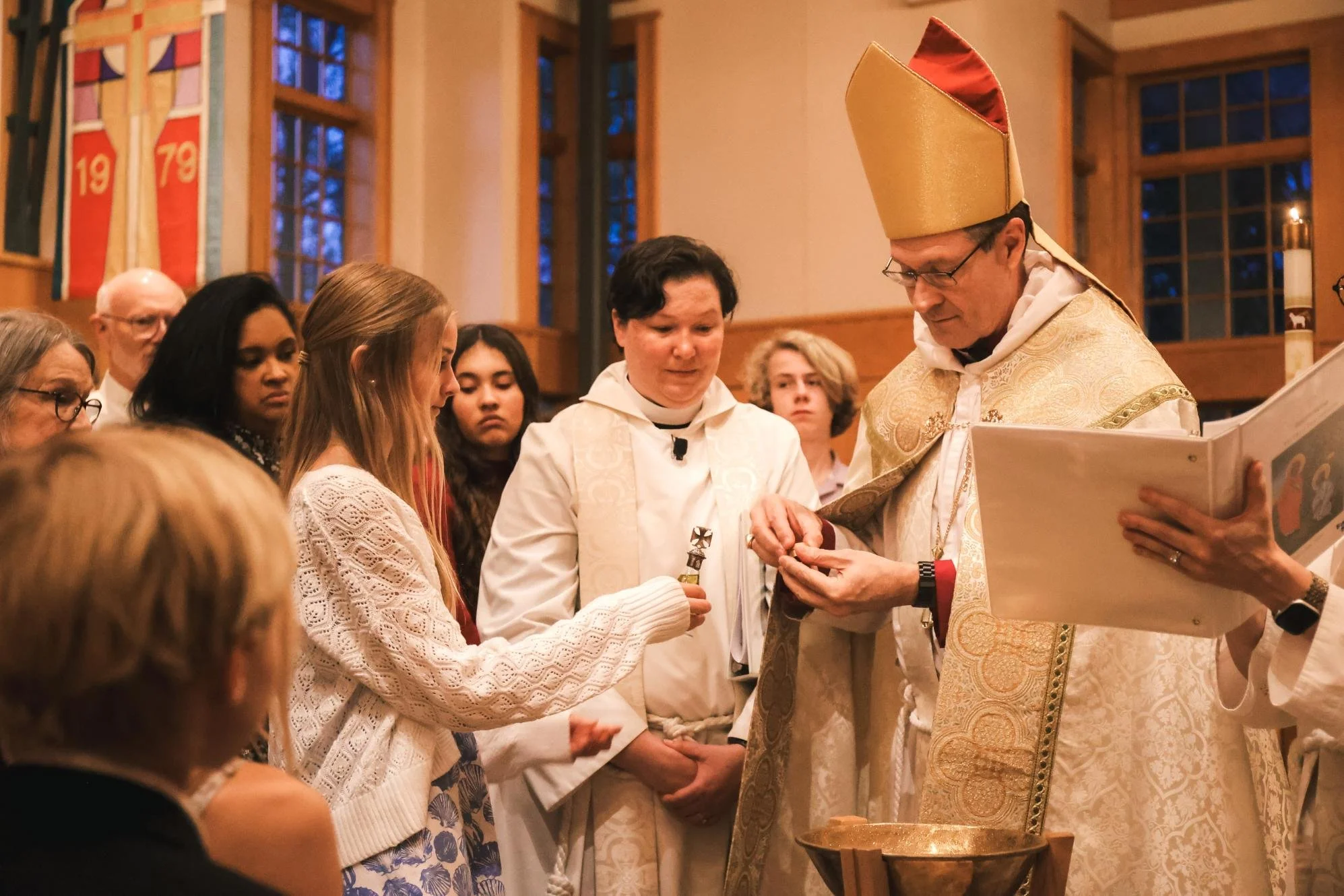
We give because God has first given so generously to us. Our lives, relationships, abilities, resources, and very selves are gifts of grace. Giving is one way we respond with gratitude and participate in what God is doing through the Church.
At Holy Cross, our gifts make possible a vibrant community of worship, learning, fellowship, pastoral care, and service. They sustain the sacred space in which we gather and help carry God’s loving, liberating, and life-giving work beyond our walls. Giving also deepens our own discipleship: it helps us place our values into practice and reminds us that we belong to something larger than ourselves.
What We Give
Christian stewardship involves our time, talent, and treasure—the whole of our lives.
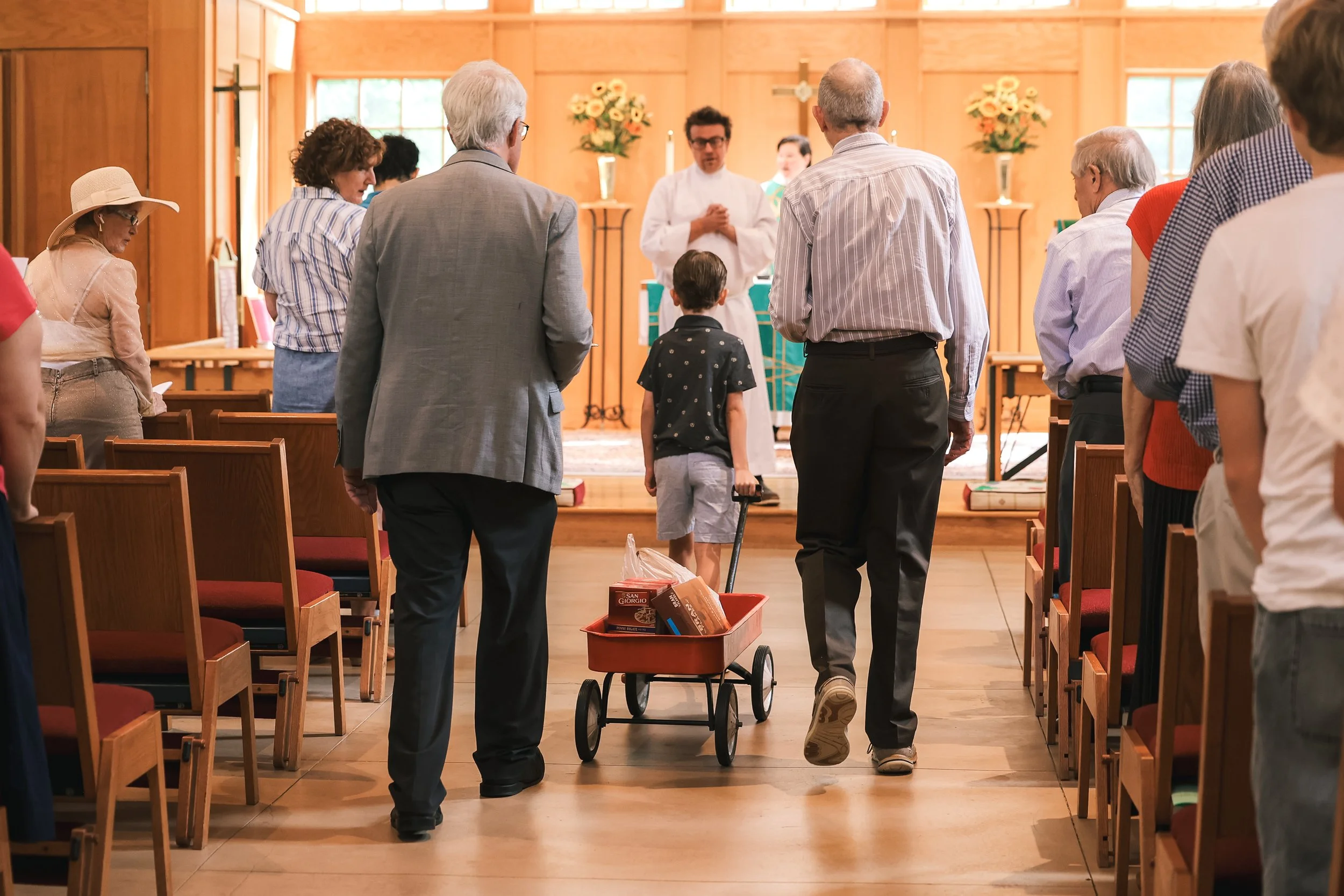
We give our time by showing up for worship, prayer, fellowship, formation, and service. We offer our talents by sharing the skills, experiences, creativity, and compassion God has placed within us. We give financially so that Holy Cross can plan responsibly, care for our parish community, support our ministries, maintain our campus, compensate our staff, and serve our neighbors.
Every gift matters. Stewardship is not about everyone giving the same amount; it is about each of us prayerfully considering what faithful and meaningful generosity looks like in our own circumstances. For some, that may involve beginning to give regularly. For others, it may mean choosing a percentage of income, working gradually toward a tithe (10%), or increasing an existing commitment. Faithful giving is a practice we grow into over time.
How We Give
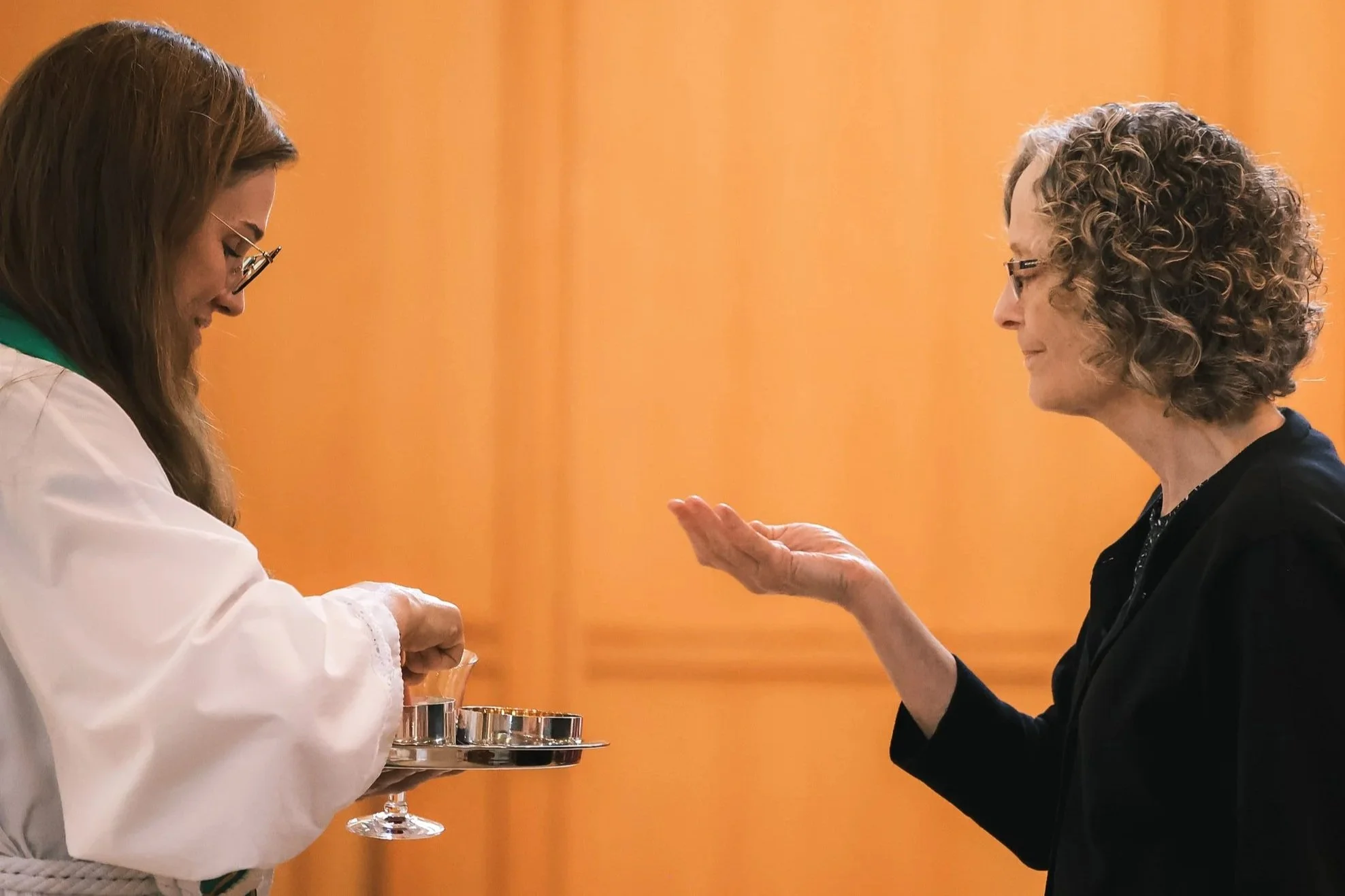
We begin with prayer. We invite you to reflect on the gifts God has entrusted to you and ask how those gifts might serve the work God is calling us to do together.
There are several ways to support the ministry of Holy Cross, and each serves a slightly different purpose.
-
Plate giving is the money placed in the offering plate during worship without being connected to an annual pledge. It is a meaningful act of gratitude and participation, especially for visitors, occasional worshipers, or anyone who prefers to give as they are able. Because plate giving can vary from week to week, however, it is harder for the parish to anticipate when planning the annual budget.
-
Annual pledge giving is a prayerful commitment to give a certain amount over the course of the year. A pledge is not a contract and can always be changed if circumstances shift. It helps Holy Cross plan responsibly because it gives the Vestry a clearer picture of the resources likely to be available for worship, formation, pastoral care, staff, outreach, and the care of our buildings and grounds. Pledges may be fulfilled weekly, monthly, annually, or according to whatever schedule works best for the giver.
-
One-time or special gifts are offerings made outside a regular annual pledge. They may celebrate a birthday, baptism, wedding, anniversary, or other joyful occasion; honor or remember someone; support a particular ministry or need; or respond to an unexpected opportunity. These gifts can make important projects and ministries possible, but because they are usually designated or nonrecurring, they generally cannot replace the steady support provided through annual pledges.
-
Planned giving is a way to support Holy Cross through your estate or long-term financial plans. A planned gift may be made through a will, trust, retirement account, life insurance policy, charitable gift arrangement, or another form of legacy giving. These gifts help ensure that the ministries and mission of Holy Cross continue for generations to come. Planned gifts can often be made without affecting a person’s current financial commitments, and donors are encouraged to consult their attorney or financial advisor when making these arrangements.