

Inclusion at Holy Cross
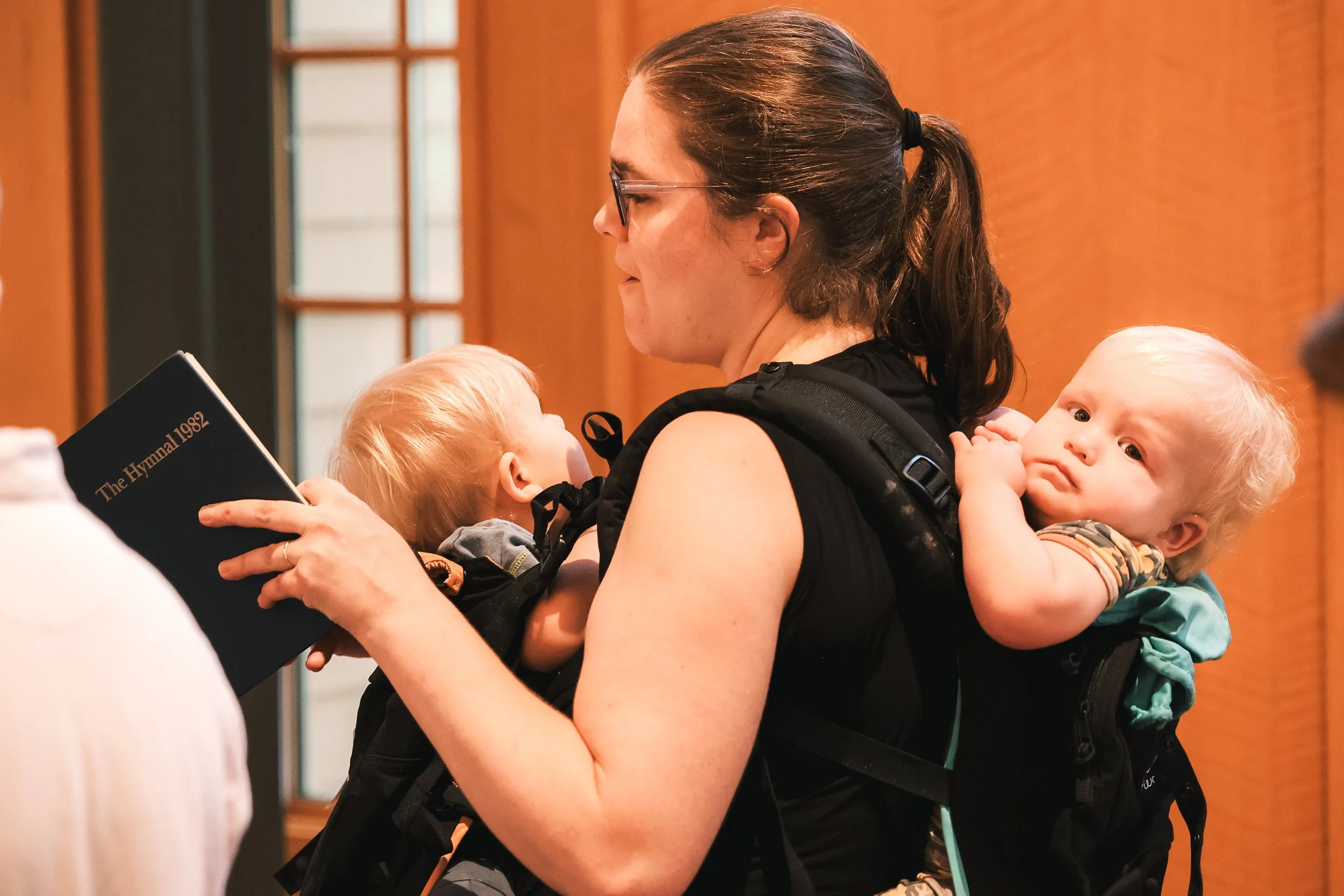
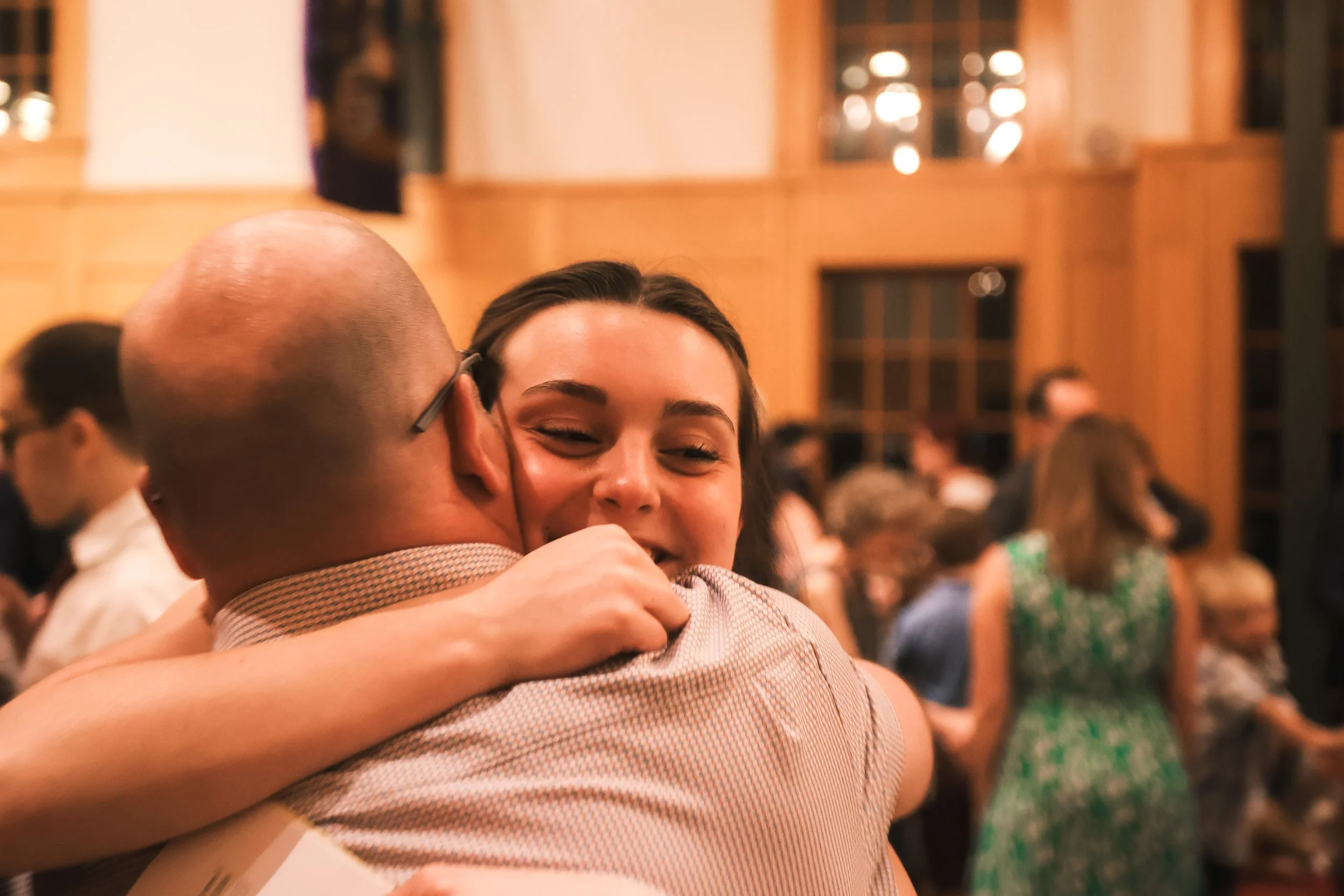
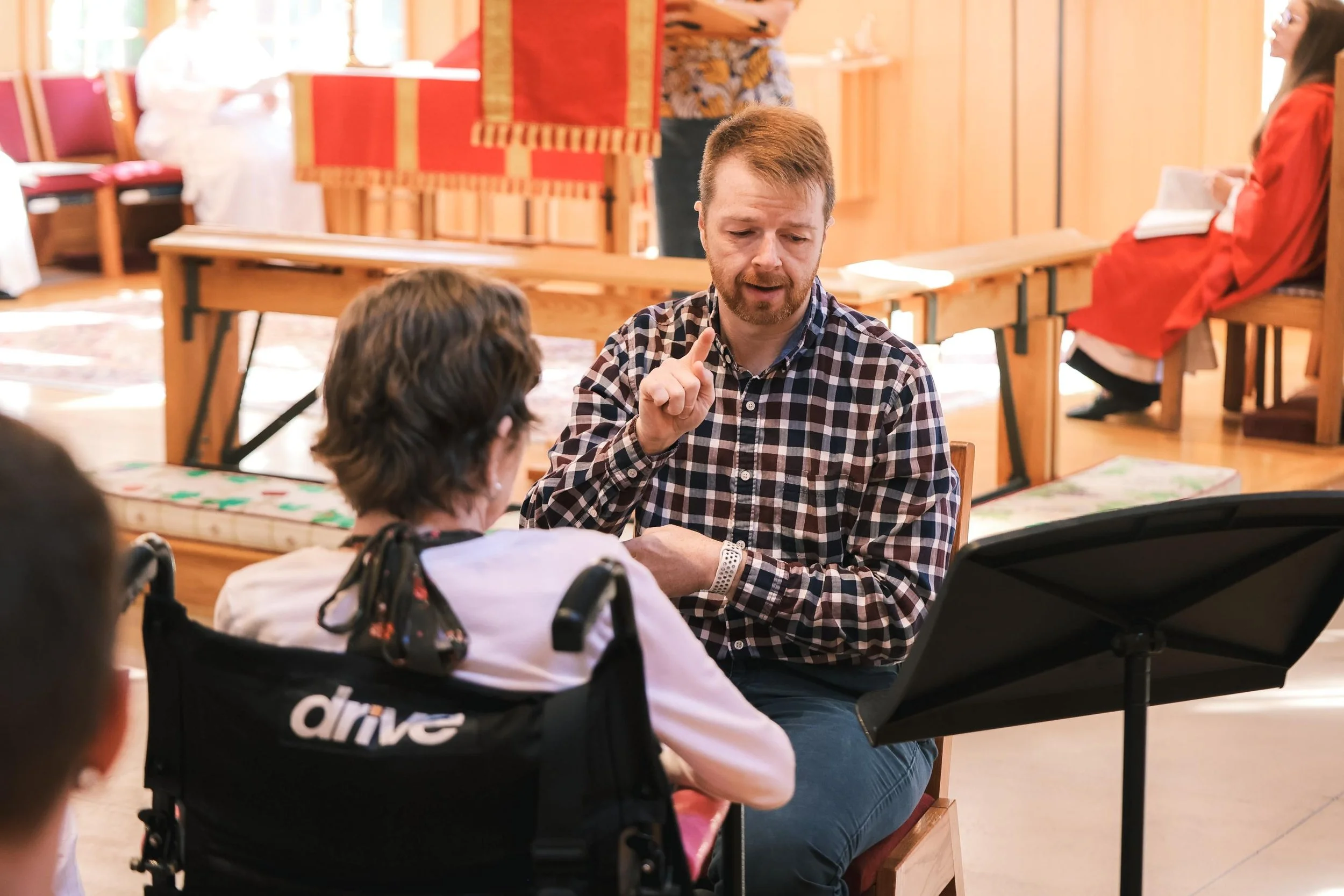
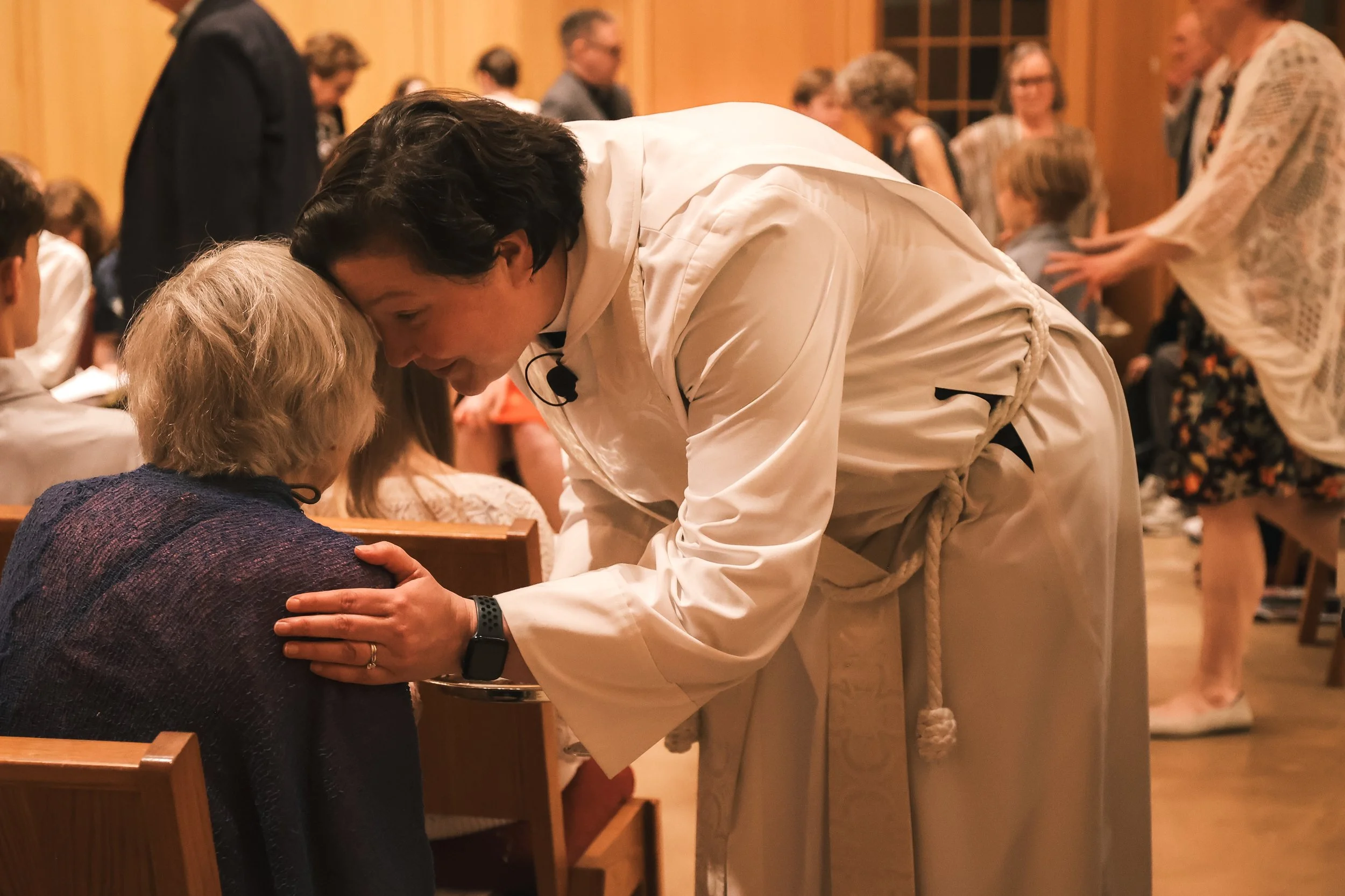
At the Church of the Holy Cross, we affirm the belovedness and dignity of every human being. We believe this spirit of inclusion and affirmation is what our Holy Scriptures call us to when they teach:
That the image of God (Imago Dei) is placed on every human being (Genesis 1:26-27).
That Jesus consistently sought people outside the norms of religious practice in his day and included them in his message and community (John 4:7-15; Mark 2:15-17; Acts 8:26-40).
What the Fruits of the Spirit are (Galatians 5:22-23) and that we can discern them in the lives, ministries, and relationships of all kinds of people.
That the very nature of the Holy Trinity and the Universal Church show that God’s intention was always diversity within a unifying identity as members of the Body of Christ (Galatians 3:27-28; 1 Cor 12:12-27).

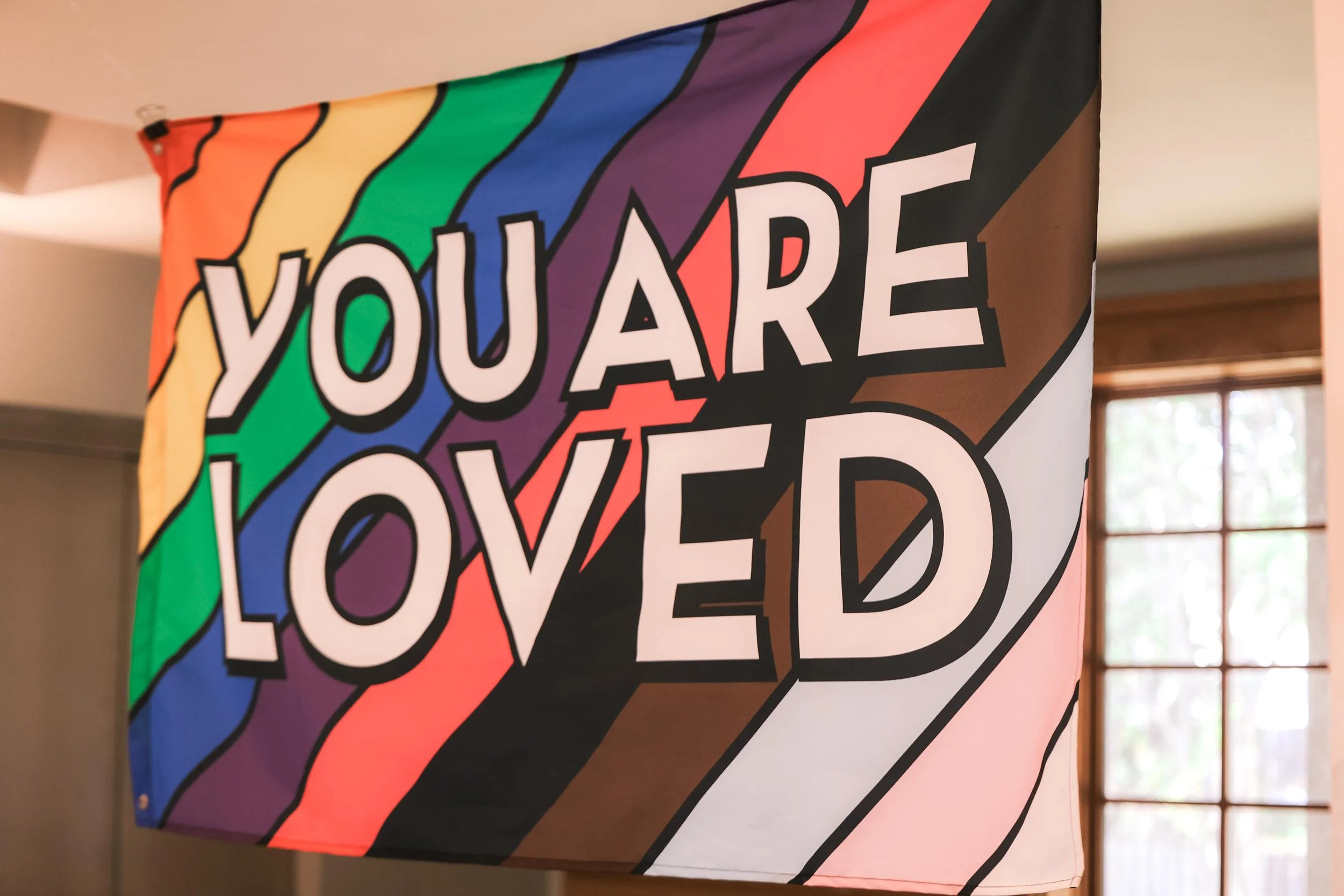
Holy Cross is a part of the Episcopal Church, a denomination that ordains LGBTQ+ people to all orders of ministry and performs weddings for loving partners who desire covenantal marriages, regardless of the sex or gender of the couple.
If you’d like to explore more about the theology that brought us to this inclusive stance, we recommend the following resources:
To Set Our Hope on Christ – the Episcopal Church’s theological explanation for full LGBTQ+ inclusion
The Body’s Grace by the Rt. Rev. Rowan Williams
Outside the Lines by the Rev. Mihee Kim-Kort